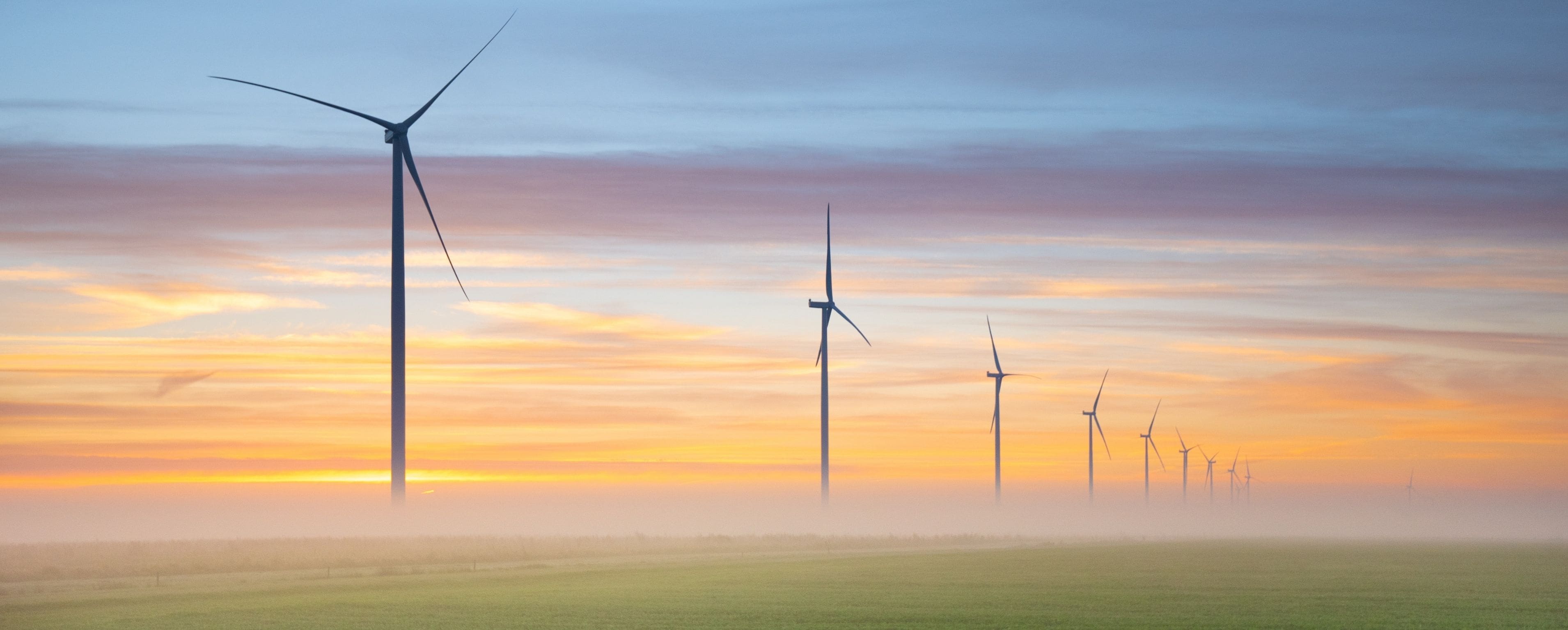
A transição energética da Alemanha precisa de moléculas verdes.
A energia renovável agora é fundamental.
Em 2025, a produção bruta de eletricidade da Alemanha atingiu cerca de 507,5 TWhA energia renovável representou 57,2% da geração total. A energia eólica foi a maior fonte individual em 26,3%, seguida por energia solar fotovoltaica em 18,0%A biomassa contribuiu. 8,4%, enquanto a energia hidrelétrica representava 3,3%A energia nuclear deixou de contribuir para a matriz elétrica alemã após o encerramento definitivo das usinas nucleares da Alemanha em 2023.
Ao mesmo tempo, a energia fóssil continua fazendo parte do sistema. Em 2025, o gás natural gerou 17,0% da eletricidade da Alemanha, linhita 14,6%e carvão duro 5,8%Isso significa que a transição energética da Alemanha já está avançada, mas não concluída. A eletricidade renovável é agora a espinha dorsal do sistema, enquanto o gás e o carvão ainda fornecem capacidade despachável, equilíbrio do sistema e segurança energética industrial.
O sistema energético em geral ainda depende de combustíveis fósseis.
A eletricidade é apenas uma parte do sistema energético da Alemanha. De acordo com a AG Energiebilanzen, o consumo de energia primária da Alemanha em 2025 foi estimado em 10.553 PJO petróleo continuou sendo a maior fonte de energia, cobrindo [a região/região]. 35,7% do consumo de energia. O gás natural representou 26,9%, renováveis 20,6%, enquanto o carvão mineral e o linhito contribuíram cada um com cerca de 7%.
Essa estrutura mostra o principal desafio da transição energética da Alemanha. O país fez progressos significativos em eletricidade renovável, mas os setores de transporte, aquecimento, calor industrial e matérias-primas químicas ainda dependem fortemente de petróleo, gás natural e carvão. Portanto, a transição da Alemanha não se resume apenas a gerar eletricidade mais limpa. Trata-se de substituir os combustíveis fósseis em toda a economia.
As metas da Alemanha exigem mais do que eletrificação.
A Alemanha estabeleceu metas ambiciosas de longo prazo. A Agência Internacional de Energia observa que a Lei do Clima da Alemanha estabelece um quadro para alcançá-las. emissões líquidas zero até 2045Até 2030, a Alemanha pretende... 80% do fornecimento de eletricidade vir de fontes de energia renováveis, aumentando para 100% até 2035A Alemanha também planeja uma grande expansão de capacidade, incluindo 100–110 GW de energia eólica em terra, 30 GW de energia eólica offshore, 200 GW de energia solare investimento em 10 GW de hidrogênio até 2030.
Para os setores que podem ser eletrificados diretamente, o caminho é relativamente claro. Veículos elétricos, bombas de calor e equipamentos industriais elétricos podem usar energia renovável diretamente. Mas alguns setores são mais difíceis de eletrificar. Siderurgia, química, refino, transporte marítimo, aviação e partes do transporte pesado precisam de moléculas de baixo carbono, não apenas de elétrons.
Por que o hidrogênio verde e a amônia verde são importantes?
É aqui que hidrogênio verde Torna-se essencial. Produzido por eletrólise utilizando eletricidade renovável, o hidrogênio verde pode substituir o hidrogênio de origem fóssil na indústria e servir como matéria-prima para combustíveis e produtos químicos. Também pode dar suporte a um sistema de energia com alta participação de energia eólica e solar, fornecendo armazenamento de energia flexível e balanceamento sazonal.
Amônia verde A amônia entra em cena como um derivado do hidrogênio e uma molécula industrial. Ela já é utilizada em fertilizantes e produtos químicos. No futuro, poderá também servir como vetor para hidrogênio importado, como combustível para transporte marítimo e como matéria-prima para cadeias de suprimentos industriais de baixo carbono. Em alguns casos, a amônia importada poderá ser usada diretamente; em outros, craqueamento de amônia poderia converter amônia de volta em hidrogênio para usuários industriais.
O futuro energético verde da Alemanha não será construído apenas com eletricidade renovável. Também exigirá moléculas verdes. Hidrogênio verde e amônia verde não são temas secundários na transição energética alemã. São ferramentas necessárias para levar a energia renovável do setor elétrico para as cadeias de valor da indústria, dos transportes e da indústria química.
Fontes de dados utilizadas
- Escritório Federal de Estatística da Alemanha / Destatis
Utilizado para os dados relativos à produção bruta de eletricidade da Alemanha em 2025, participação de energias renováveis, energia eólica, solar, biomassa, hidrelétrica, gás, linhita, carvão mineral e energia nuclear. https://www.destatis.de/EN/Themes/Economic-Sectors-Enterprises/Energy/Production/Tables/gross-electricity-production.html - AG Energiebilanzen
Utilizado para a estimativa do consumo de energia primária da Alemanha em 2025 e para a distribuição da matriz energética, incluindo petróleo, gás natural, energias renováveis, carvão mineral e linhita. https://ag-energiebilanzen.de/energieverbrauch-wird-2025-stagnieren - Perfil da Alemanha pela Agência Internacional de Energia / IEA
Utilizado para definir a meta de neutralidade climática da Alemanha, as metas de eletricidade renovável para 2030 e 2035, as metas de expansão da capacidade de energia renovável, o contexto da eliminação gradual do carvão e a meta de investimento em hidrogênio. https://www.iea.org/countries/germany

 IPv6 SUPORTADO POR REDE