Deixe um recado

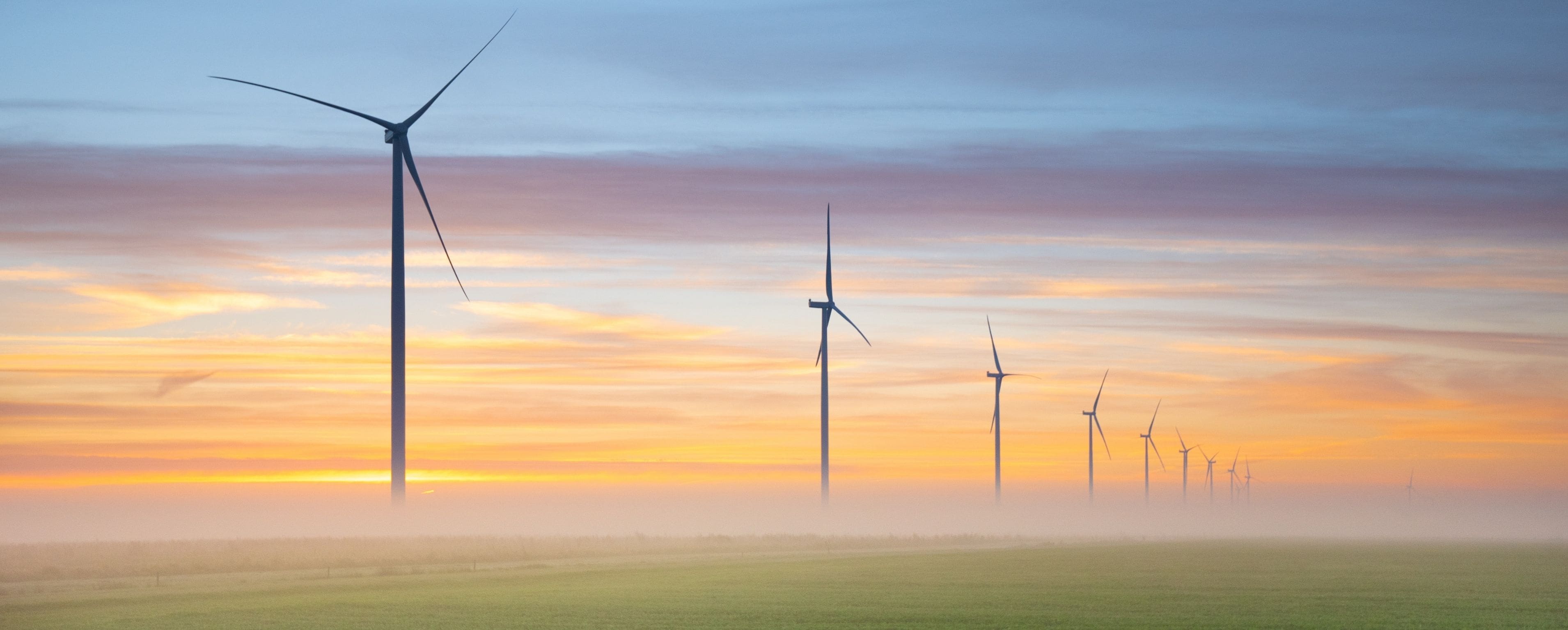
O que a ABC Ottmarsheim sugere para a produção modular e localizada de amônia.
ABC Ottmarsheim: Um Projeto Prático de Descarbonização
O projeto ABC Ottmarsheim é um exemplo útil. Localizado no complexo de Ottmarsheim, perto de Mulhouse, no leste da França, o projeto está sendo desenvolvido pela Hynamics e pela LAT Nitrogen. Seu objetivo é descarbonizar parte do processo de produção de amônia, substituindo o hidrogênio atualmente produzido a partir da reforma a vapor do metano por hidrogênio de baixo carbono produzido por eletrólise da água.
A capacidade planejada do eletrolisador é de 50 MW. De acordo com a Hynamics, o projeto produzirá cerca de 7.000 toneladas de hidrogênio por ano e substituirá aproximadamente 15% da demanda total de hidrogênio da unidade. O eletrolisador será alimentado pela matriz energética de baixo carbono da França e espera-se que reduza as emissões de CO₂ em quase 50.000 toneladas por ano. A amônia produzida na unidade de Ottmarsheim é utilizada principalmente na produção de fertilizantes.
Um comunicado posterior da Hynamics fornece mais detalhes sobre o projeto: a unidade de 50 MW deverá produzir 6.600 toneladas de hidrogênio renovável e de baixo carbono por ano, permitindo a produção anual de 36.000 toneladas de amônia livre de carbono e evitando a emissão de mais de 46.000 toneladas de CO₂ por ano. O projeto também recebeu aprovação para um auxílio estatal francês de € 144 milhões, de acordo com as normas da UE, cobrindo parte dos custos de investimento do eletrolisador e da infraestrutura associada.
Por que a substituição parcial faz sentido
A importância da ABC Ottmarsheim reside na sua estrutura. Ela não tenta construir uma cadeia de valor da amônia completamente nova do zero. Em vez disso, adiciona a produção de hidrogênio de baixo carbono a um sistema industrial existente, onde já existem demanda por amônia, produção de fertilizantes, infraestrutura e conhecimento operacional. Isso reduz o risco de mercado e conecta a descarbonização à demanda real pelo produto.
Outra característica importante é que o projeto não visa substituir todo o hidrogênio derivado de combustíveis fósseis de uma só vez. Ele busca uma substituição parcial. Essa é uma escolha prática. A produção de amônia requer um fornecimento contínuo, estável e previsível de hidrogênio. A transição imediata para 100% de hidrogênio eletrolítico exigiria uma demanda de energia muito maior, mais armazenamento de hidrogênio, integração mais complexa e maior risco de investimento.
A substituição parcial permite que a unidade reduza as emissões, mantendo a estabilidade do sistema de produção existente. Também contribui para a criação de experiência operacional, dados sobre redução de carbono e um mercado potencial para fertilizantes com menor emissão de carbono.
Essa abordagem pode oferecer uma lição importante para o futuro da amônia verde na França. O mercado inicial pode não ser definido apenas por megaprojetos. Ele também pode ser construído por meio de uma integração industrial gradual.
Três possíveis vias de desenvolvimento
Existem três possíveis caminhos de desenvolvimento.
A primeira medida é a descarbonização das fábricas de fertilizantes existentes. A França já possui instalações de produção de amônia e fertilizantes. Ao substituir parte do hidrogênio fóssil utilizado nessas fábricas, os produtores podem criar amônia com baixa emissão de carbono e fertilizantes com menor emissão de carbono sem precisar reconstruir toda a cadeia de valor.
A segunda via é a produção localizada em polos industriais. Os sistemas de amônia verde podem ser instalados perto de locais de demanda real, como parques químicos, portos, cadeias de suprimentos agrícolas ou usuários industriais. Isso pode reduzir a complexidade do transporte e apoiar a descarbonização descentralizada.
A terceira via é a utilização da amônia como uma molécula flexível. Além dos fertilizantes, a amônia pode desempenhar um papel como transportadora de hidrogênio, combustível para transporte marítimo ou matéria-prima industrial de baixo carbono. Os portos e regiões industriais da França poderiam gradualmente se integrar a essa economia da amônia mais ampla.
Por que a amônia verde modular pode ser adequada para a França?
Para sistemas modulares de amônia verde, isso cria uma oportunidade significativa. Uma unidade de amônia de pequena escala, modular e montada sobre skid não exige que o projeto comece em escala de milhões de toneladas. Ela pode ser projetada considerando o fornecimento local de hidrogênio, a produção local de nitrogênio e a demanda local de amônia. Isso pode ajudar os clientes a começar com uma capacidade realista, validar as operações, gerenciar riscos e expandir posteriormente.
Isso é especialmente relevante em um mercado como o da França, onde já existem aplicações de eletricidade com baixo teor de carbono, demanda industrial e aplicações agrícolas, mas onde a viabilidade econômica dos projetos, o licenciamento e a comercialização ainda exigem um planejamento cuidadoso.
O futuro da amônia verde na França pode, portanto, começar com projetos práticos em vez de projetos perfeitos. Pode começar com instalações existentes, substituição parcial, sistemas modulares e demanda local. A ABC Ottmarsheim sugere que o caminho da amônia verde na França não se resumirá apenas à escala. Também envolverá integração, confiabilidade e a capacidade de transformar hidrogênio de baixo carbono em produtos industriais e agrícolas úteis.
https://www.hynamics.com/en/our-projects/abc-ottmarsheim

 IPv6 SUPORTADO POR REDE




Deixe um recado
Digitalizar para Wechat :
